

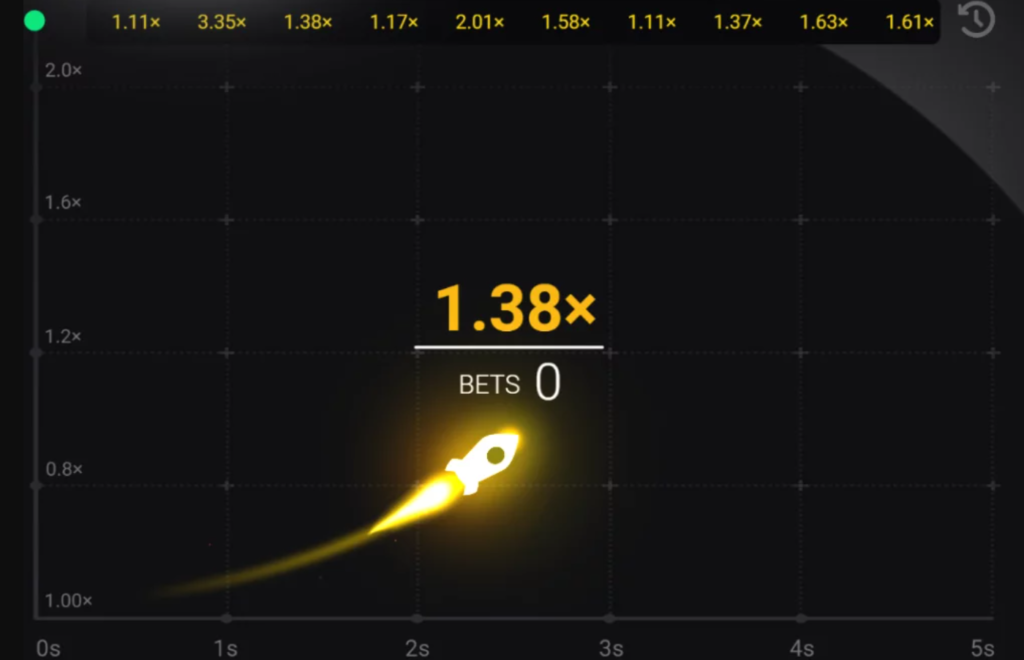
Looking at competitive gaming mechanics, the tournament bracket system in Space XY Game is notable as a smart evolution of crypto-gaming https://aviatorscasinos.com/space-xy/. It departs from the standard solo play mold by incorporating a systematic, head-to-head layer that has remarkable depth. The UK’s keen embrace of this format illustrates clearly why it works, showing a well-built bracket can foster a real community around a game that’s provably fair.
Understanding the Core: Space XY Game’s Provably Fair Engine
You cannot talk about the tournaments without first getting the foundation. What renders competition in Space XY Game trustworthy is its provably fair algorithm. Players can confirm each single round, from the initial crash point to the ending multiplier. This cryptographic transparency is mandatory. It strips away the doubt that plagues many online games, assuring all tournament result comes from player strategy and timing, not hidden chance. That trust is what enables players risk real stakes to competitive brackets.
The engine utilizes a deterministic model. The crash point derives from a server seed, client seed, and nonce. After a game, players can check the result. In a tournament, this signifies everyone competes on the same auditable field. The psychological effect matters. Recognizing the system is transparent enables players zero in fully on their tactics instead of suspecting the game’s integrity. That’s the basis for any real tournament structure.
The Anatomy of a Space XY Game Tournament Bracket
Space XY Game features a single-elimination bracket, a format sports and esports fans know well, but adapted for a crash game’s rhythm. Players get seeded into a tree structure for head-to-head matches. A match typically includes a set number of rounds or a target profit goal with a time limit. The big change is the direct pressure. You don’t just aim to cash out before a crash; you’re trying to beat a specific opponent right then and there. That shift changes your strategic math completely.
Matches are synchronized. Both players participate in the same sequence of crash rounds. This simultaneity is key. It erases the variance from different game cycles and makes sure the competition is purely strategic. The bracket moves forward in a predictable way: winners advance, losers go home. This creates a clear, suspenseful story for each tournament, ending with a final match that determines a champion. The structure is elegantly simple, easy for newcomers to grasp but giving veterans plenty of strategic depth.
Strategic Depth: More Than Simply Timing the Cash-Out
Single-player Space XY play often boils down to disciplined cash-out timing. Tournament brackets introduce additional layers. Now you must think about your opponent’s probable moves. Do they play it safe with small multipliers, or do they pursue high-risk crashes? Your own plan must adapt. In an early round against a acknowledged cautious player, you might play aggressively to build a big lead, driving them out of their comfort zone.
- Per-Round Adjustment: You can’t stick to one unchanging plan. Tournament play compels you to interpret each round’s result compared to your opponent. A substantial early lead may allow you transition to preserving your stack, while a deficit could demand an urgent high-risk move.
- Mental Tactics: The head-to-head setup enables feints and mind games. Cashing out at a modest multiplier several times in a row might bait your opponent into taking too much risk on the next round, possibly causing them to crash prior to cashing out.
- Resource Management: Tournaments often demand an entry fee or a separate bankroll. Managing this resource throughout multiple potential matches is a higher-level skill. You weigh the aggression necessary to win with the safekeeping needed to last through the entire bracket.
The Impact of UK Gaming Culture in Shaping the Competition
The UK gaming scene possesses a long history in both conventional gambling and esports. This background particularly molded how it integrated Space XY Game’s tournament system. UK players commonly show a advanced grasp of odds, bankroll management, and competitive formats. This maturity has promoted higher-stakes tournaments and more thorough strategic talk within the community. A cultural comfort with competitive, skill-adjacent gaming provided this format a fruitful place to grow beyond a simple novelty.
Also, the UK’s strict gaming regulations have boosted the credibility of provably fair crypto games like Space XY for tournaments. Players here are highly aware of fairness and accountability. The game’s transparent, verifiable nature meets this demand for integrity. That renders the tournament bracket system more than just fun; it becomes a reliable competitive outlet. The result is a especially engaged and serious tournament scene among UK players.
Entry Mechanics and Prize Pool Structures
Joining a Space XY Game tournament typically requires paying a crypto fee. This fee goes into a shared prize pool. The common method deducts a share for the tournament operator as a rake, then distributes most of the pool to the top finishers. Standard setups vary from winner-takes-all for small brackets to graduated payouts for bigger events, recognizing the top 4 or top 8. The transparent payout structure, often shown on the tournament lobby page, is a key attraction for players.
Some high-level competitions offer “freeroll” entries for top-ranked players or as promotions, which increases engagement. Others might provide secured payout pools, where the operator commits to a minimum payout no matter how many people enter. This builds player confidence. The top-performing events in the UK have struck the right balance between accessible entry fees and attractive, expandable reward funds. That balance fuels high turnout and strong contest.
Skill vs. Chance: Analyzing the Competitive Balance
Every gaming competition sparks discussion about skill versus luck. For Space XY Game’s tournament framework, I see a continuum that strongly leans toward skill within the competition structure. The fundamental crash point is random and verifiable, yes. But the competitive skill lies in the strategic choices players make in response to that randomness, measured directly against an opponent. Over the many rounds in a match, variance evens out. Consistent strategic execution becomes the deciding factor.
The direct duel format is what levels the playing field skill-wise. Both players see the same random sequence of crashes. So, any difference in the outcome comes purely from their different cash-out decisions. This changes the game from “beating the machine” to “out-thinking your opponent.” That is a fundamentally skill-based task. The best tournament players show remarkable consistency across multiple events, more proof that skill drives success in this competitive context.
Community and Observer Engagement
The tournament bracket system unintentionally created a lively spectator community around Space XY Game. Brackets create natural stories: underdog runs, player rivalries, defending champions. Platforms often showcase live leaderboards, and sometimes even stream final matches with commentary. This turns the solitary act of playing a crash game into a shared event. In the UK, dedicated forums and social media groups thrive with talk about tournament strategies, results, and predictions.
- Plot Building: A bracket naturally tells a story, with each match as a chapter. Spectators watch their favorite players through the tree, which boosts engagement and emotional investment.
- Instructional Value: Watching top players compete in real time is a powerful learning tool. Spectators can see advanced strategies used under pressure and then try those tactics themselves.
- Financial Activity: Spectating often integrates up with side-betting communities or prediction markets. This adds another layer of engagement to the tournament ecosystem beyond just playing.
Typical Pitfalls for New Tournament Participants
Novice players starting their first Space XY Game tournament often make the same mistakes. The most common is adopting a solo play strategy in a head-to-head match. An aggressive, high-variance style that might work alone can be a disaster against a focused opponent in a bracket. Another trap is emotional tilt. A bad beat in an early round can lead to chaotic, irrational play in the next one, a flaw seasoned opponents will exploit without mercy.
Many also underestimate bankroll management. They allocate an entry fee that’s too substantial a slice of their gaming funds. An early loss then leaves them unable to re-enter or join future tournaments. Finally, lots of newcomers omit opponent research. In established tournament scenes like the UK’s, players establish reputations and set patterns. Not checking an opponent’s historical playstyle is a strategic blind spot that can lose you a match before it starts.
What lies ahead for Tournament Play within Crypto Gaming
Examining the path established by Space XY Game in markets like the UK, tournament bracket systems appear as a major direction for crypto gaming’s future. They offer longevity, community, and a skill-based framework that resonates with a wider audience than pure gambling. We’ll undoubtedly see new ideas like team-based tournaments, longer seasonal leagues with leaderboards, and more complex bracket formats such as double-elimination. Integration with decentralized autonomous organizations (DAOs) for community-run tournaments is yet another logical step.
The technology will probably improve to support better spectator experiences, with real-time data overlays and integrated chat. Also, as regulations change, the clear skill component in these structured tournaments could help them gain wider legal acceptance. The model’s success within the analytically-minded UK community presents a blueprint for building a sustainable, competitive ecosystem around a provably fair game.
Enhancing Your Advantage in Space XY Tournaments
To excel in this cutthroat arena, you need more than standard cash-out discipline. Build a toolkit of approaches: an assertive opening, a cautious closing, and a catch-up mode for when you’re behind. Review your match histories meticulously, and study those of your common opponents if you can. Use the provably fair system not just for confirmation, but to analyze decision points after a match. Bankroll management is critical. Only ever dedicate a modest, fixed percentage of your funds to tournament entries.
Engage with the community. Discussions in UK-focused forums or Telegram groups can reveal meta-strategies and typical player habits. And hone under tournament conditions. Many platforms provide free or low-stakes brackets. Utilize these to refine your head-to-head skills without intense financial pressure. Transitioning from a solo player to a accomplished tournament competitor requires a mental shift. You quit playing the game and start playing the opponent.
The tournament bracket system in Space XY Game has succeeded to deliver the thrill of esports competition into crypto gaming. By capitalizing on its provably fair foundation, it establishes a reliable arena where strategic skill wins out. The UK’s robust adoption demonstrates the model’s power to foster deep community engagement and refined play. For players looking for a challenge beyond solo betting, these tournaments deliver a organized, competitive, and intellectually demanding proving ground. It’s a structure that’s reshaping online gaming.
